Disclosure: This post contains affiliate links. If you book through them, we may earn a commission at no extra cost to you.
Venezuela’s Caribbean Islands Guide (2026): Los Roques, Margarita & Cayo de Agua (Plus Safety Update)
Venezuela’s Caribbean coast is home to some of the most jaw-dropping water on Earth — the kind of unreal turquoise that makes people stop scrolling. Names like Los Roques and Cayo de Agua belong in the same conversation as the Caribbean’s most iconic beaches.
But here’s the truth upfront: travel to Venezuela is currently high-risk and many governments advise against it. This guide is written for future planning / research and for travelers who only move forward with trusted operators, secure logistics, and up-to-date official advisories.
Quick Take
- Signature experience: Island-hopping in Los Roques (sandbars, lagoons, reefs)
- Most famous beach: Cayo de Agua (Los Roques) — “bucket-list” level
- Best for: photographers, divers/snorkelers, sailors, experienced travelers
- Reality check: safety + infrastructure challenges require advanced planning
- Best alternative (similar water, easier logistics): Turks & Caicos, Aruba, Curaçao, Bahamas Out Islands
Read This First: Safety & Travel Reality (2026)
Venezuela travel can carry serious risks (crime, detention risk, rapid changes in conditions, limited support options). If you’re considering Venezuela, check official advisories right before booking, book only with vetted local operators, and maintain a personal exit plan. If you want the “Los Roques look” with fewer complications, choose a safer island alternative.
What This Guide Covers
- Why Venezuela’s Islands Are So Special
- Los Roques National Park (Gran Roque + Day Trips)
- Margarita Island (Plus Coche & Cubagua)
- Canaima & Angel Falls (Add-On Adventure)
- Best Time to Go (Weather + Sea Conditions)
- Where to Stay (Research Framework)
- Best Things to Do
- Sample Itineraries (Future Planning)
- Safer Alternatives With Similar Vibes
- FAQ
Why Venezuela’s Caribbean Islands Are So Special
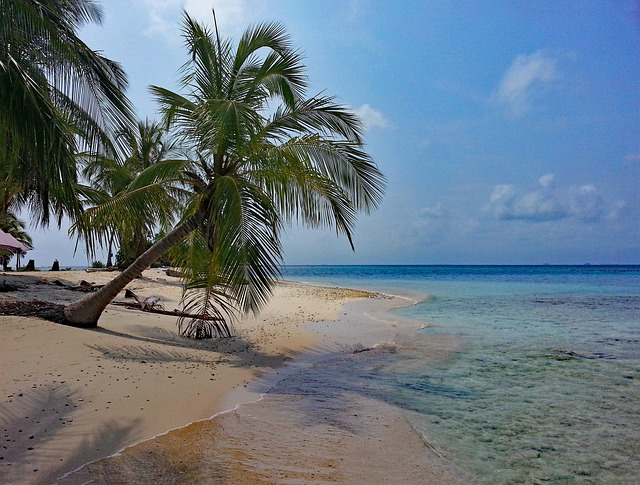
The Venezuela Caribbean coast has an unfair advantage: geography. Warm, shallow seas + sandbar chains + reef-protected lagoons create that “liquid glass” water people chase across the Caribbean. In places like Los Roques, beaches aren’t just “nice” — they’re minimalist perfection: white sand, shallow turquoise, and nothing tall on the horizon except sky.
The trade-off is real: logistics and safety are not as straightforward as Aruba, Bahamas, or Turks & Caicos. That’s why Venezuela works best as a future-planning destination (or a highly structured trip with expert guidance), not a casual “wing it” beach getaway.
Los Roques National Park
Los Roques is the headline act — a Caribbean archipelago made of sandbars and islands with lagoon water so bright it looks edited. Most visitors base on Gran Roque (the only inhabited hub), then boat out daily to different keys (“cayos”).
Los Roques at a glance
- Base: Gran Roque
- Best day trips: Cayo de Agua, Crasqui, Francisqui, Madrisquí (availability varies)
- Best for: sandbars, lagoon snorkeling, kitesurfing, sailing
- Trip style: plan-per-day island hopping (not one beach for a week)
Top Los Roques beaches & keys
| Spot | Why it’s special | Best for |
|---|---|---|
| Cayo de Agua | Iconic sandbar + unreal gradients of turquoise | Bucket-list photos, wading, calm-water bliss |
| Francisquí | Lagoon-style water close to Gran Roque | Easy day trip, floating, beginner snorkeling |
| Crasquí | Classic postcard beaches + shallow sand flats | Swimming, lounging, beach days |
| Madrisquí | Bright sand, calm water, relaxed vibe | Families, low-effort paradise |
How to get to Los Roques (research framework)
Los Roques is typically accessed by small aircraft to Gran Roque via Venezuela’s main air hubs. Routes and schedules can change quickly, so treat flights as a “confirm close to departure” item.
Important: Because conditions can shift, the safest approach is booking a package or a local operator who can handle transfers, permits/fees, and on-island logistics.
Where to stay in Los Roques
Most accommodation is small and local (guesthouse/posada style) on Gran Roque. Think: simple rooms, early mornings, and boat departures — less “mega resort,” more “island basecamp.”
🏨 Search hotels (Hotels.com) 🏡 Find villas & entire homes (Vrbo)
Margarita Island (Plus Coche & Cubagua)
Isla Margarita is Venezuela’s best-known resort-style island — historically a major vacation zone. It’s larger, more built-up than Los Roques, and can be a base for beach variety, dining, and water sports.
Best areas (planning lens)
- Playa El Agua area: classic long beach + beach day energy
- Pampatar: restaurants + shopping feel
- Playa Parguito: more surf-oriented vibe
- El Yaque: famous for kitesurfing/windsurfing conditions
Add-on islands: Coche & Cubagua
If you love the “flat water + wind” combo, Coche is known for kitesurf conditions. Cubagua is smaller and more stripped-down — think sandbar energy and day-trip simplicity. Both are typically accessed by boat logistics coordinated locally.
Canaima & Angel Falls (Epic Add-On)
Not Caribbean coastline — but often paired in the same “once-in-a-lifetime Venezuela” itinerary: Canaima and Angel Falls. This is a fly-in nature adventure with river travel and jungle scenery.
Treat this as a separate, operator-led expedition rather than something you DIY.
Best Time to Go
In general, you want calmer seas and clearer visibility for boating/snorkeling. Many travelers target the drier months for smoother logistics — but weather varies by coast and year. If your trip depends on small aircraft + boat days, build flexibility into your plan.
Where to Stay (Quick Picks)
- Los Roques: Gran Roque (posada-style island base)
- Margarita: near Playa El Agua for beach focus; Pampatar for dining access
- Photographers: prioritize early-morning light + low-tide sandbar windows
🚗 Compare car rentals (Expedia) 🛥️ Find guided tours & local guides (GoWithGuide)
Best Things to Do
1) Island-hop Los Roques (the main event)
Los Roques is a choose-your-own-adventure: today a sandbar, tomorrow a lagoon, next day a reef snorkel. This is why people come.
2) Snorkeling & diving
Expect shallow-water reef moments, visibility-dependent boat snorkels, and calmer lagoons that are beginner-friendly on the right days. Always treat reefs as protected: no touching, no standing on coral, and keep fins controlled.
3) Kitesurfing / wind sports
For experienced riders, parts of Los Roques and the Margarita/Coche area can be known for wind + shallow flats. Conditions are seasonal and operator-dependent — plan with local pros.
4) “Photo mission” beaches
If you’re chasing the iconic shots: sunrise light, low tide, and a calm day beats any camera upgrade. Bring lens wipes (salt spray happens fast) and keep your gear protected on boats.
Sample Itineraries (Future Planning)
3 days: Los Roques “highlights”
- Day 1: Arrive Gran Roque → short beach/lagoon afternoon
- Day 2: Big day trip (aim for Cayo de Agua if conditions/logistics allow)
- Day 3: Snorkel-focused key → depart
5 days: Los Roques + recovery time
- Day 1: Arrival + easy beach
- Day 2: Sandbar day
- Day 3: Reef snorkel day
- Day 4: “Second chance” at your top key (weather backup day)
- Day 5: Depart
7 days: Los Roques + Margarita (two different vibes)
- Days 1–4: Los Roques base + island-hop
- Days 5–7: Margarita for bigger-island variety (beaches + dining + day trips)
Safer Alternatives With Similar Vibes
If you’re chasing that “Los Roques water” but want easier logistics and a simpler safety profile, consider:
- Turks & Caicos: Grace Bay + calm snorkeling + luxury villas
- Bahamas Out Islands: Exumas / Eleuthera / Harbour Island sandbar energy
- Aruba & Curaçao: clear coves + strong infrastructure + easy driving
Gear That Actually Helps
- Reef-safe sunscreen
- Snorkel mask set (anti-fog)
- Water shoes (for rocks/boat landings)
- Dry bag (boat days)
- RFID money belt
As an Amazon Associate I earn from qualifying purchases.
FAQ
Is Venezuela safe to travel right now?
Many governments advise against travel to Venezuela due to serious security risks. If you’re considering it, treat it as high-risk travel that requires expert guidance, constant monitoring of official updates, and a personal emergency plan.
Where is Cayo de Agua?
Cayo de Agua is in the Los Roques archipelago and is known for its famous sandbar and bright turquoise shallows. Access is typically by organized boat day trips from Gran Roque.
Do you need a car in Margarita?
Many travelers prefer arranged transport or taxis depending on the base area. If you want to explore multiple beaches with flexibility, a rental car can help — but plan conservatively and use local guidance.
Internal Links
- Colombia Caribbean
- Panama Caribbean
- Best Beaches in the Caribbean
- Caribbean Budget & Adventure Travel
Spanish Summary — Resumen en Español
Venezuela tiene algunas de las islas y playas más hermosas del Caribe, como Los Roques y Cayo de Agua. Actualmente requiere precaución y planificación, pero ofrece un potencial turístico increíble para el futuro.


Leave a Reply